
Now available
Gagosian Quarterly Summer 2025
The Summer 2025 issue of Gagosian Quarterly is now available, featuring Pablo Picasso’s Nu accoudé (1961) on the cover.
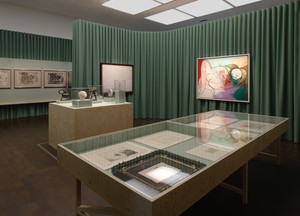
Installation view
Artwork © Estate of Pablo Picasso/Artists Rights Society (ARS), New York
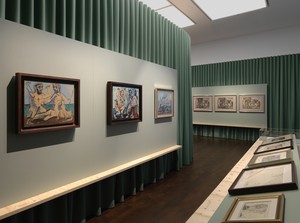
Installation view
Artwork © Estate of Pablo Picasso/Artists Rights Society (ARS), New York
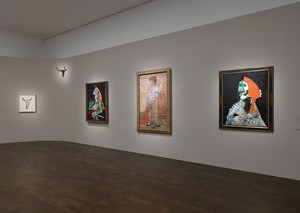
Installation view
Artwork © Estate of Pablo Picasso/Artists Rights Society (ARS), New York
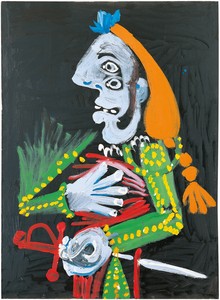
Pablo Picasso
Torero, 1970
Oil on canvas, 51 ⅛ × 38 ¼ inches (130 × 97 cm)
© Estate of Pablo Picasso/Artists Rights Society (ARS), New York. Photo: Eric Baudouin
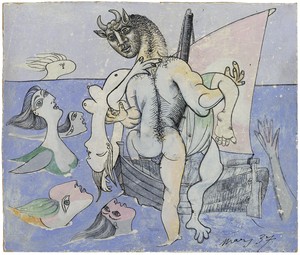
Pablo Picasso
Minotaure dans une barque sauvant une femme, March 1937 (Paris)
India ink and gouache on paperboard, 8 ⅝ × 10 ⅝ inches (22 × 27 cm)
© Estate of Pablo Picasso/Artists Rights Society (ARS), New York. Photo: Eric Baudouin
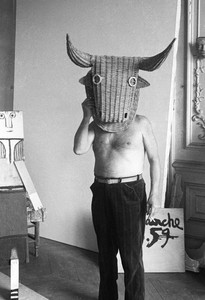
Picasso wearing a bull’s head intended for bullfighter's training, La Californie, Cannes, 1959
Photo: Edward Quinn, © edwardquinn.com
If all the ways I have been along were marked on a map and joined up with a line, it might represent a Minotaur.
—Pablo Picasso
Gagosian, in partnership with Pablo Picasso’s grandson, Bernard Ruiz-Picasso, is pleased to present Picasso: Minotaurs and Matadors, curated by Sir John Richardson. The exhibition examines the intersection of Picasso’s bullfighting imagery with his mythological and biographical compositions of the 1930s. Including works dating from 1889 to 1971, this career-long survey traces Picasso’s engagement with the ancient rituals and narratives of his native Mediterranean.
Though one of history’s most innovative modernists, Picasso was grounded in the traditions of his Spanish heritage. Born in the southern port of Málaga in 1881, he was a lifelong aficionado of the drama of the bullfight; matadors, picadors, horses, and bulls were recurring subjects throughout his body of work, from his earliest childhood drawings to some of his final paintings. In the 1930s, at a time of upheaval and personal strife, Picasso began to create allusive narrative works ripe for Surrealist interpretation, infusing the theatrical combat of the corrida with mythic elements of antiquity. His synthesis of the Minotaur myth, the Spanish cult of the bull, and the intimate details of his private life led to the creation of illustrated books, poetry, set designs, sculpture, ceramics, the celebrated Vollard Suite of prints, and masterpieces such as La Minotauromachie (1935) and even Guernica (1937). After Picasso returned to live in the Mediterranean after World War II, his work would continue to be steeped in mythology and bullfighting for the remainder of his life. Picasso’s depictions of Minotaurs and matadors provide a key for biographical and scholarly investigation into an oeuvre that he confessed to having created as if keeping a diary. The exhibition aims to examine the proposal Picasso described in the quote above, presenting fresh perspectives on some of Picasso’s myths and monsters.
Comprised of paintings, drawings, sculpture, prints, ceramics, and a home movie made by Picasso in 1929, Picasso: Minotaurs and Matadors is presented in an innovative installation designed by the Stirling Prize–winning architecture firm Caruso St. John, and is accompanied by a fully illustrated catalogue with essays by Richardson, noted Picasso scholars Michael FitzGerald and Gertje Utley, and historian of Greek art and archaeology Clemente Marconi.
The Summer 2025 issue of Gagosian Quarterly is now available, featuring Pablo Picasso’s Nu accoudé (1961) on the cover.

On April 18, the exhibition Picasso: Tête-à-tête opened at Gagosian, New York. Including works from 1896 to 1972, the full span of the artist’s career, the show is presented in partnership with Paloma Picasso, the artist’s daughter. Here, Michael Cary, one of the organizers of the exhibition, traces the historical precedents that informed the conversational nature of the curation. He also introduces a translation of a 1932 interview with Picasso by the publisher and critic E. Tériade, often quoted in English in part but not in full.
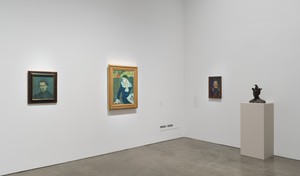
Join president of the Picasso Museum, Paris, Cécile Debray; curator, writer, biographer, and historian Annie Cohen-Solal; art historian Vérane Tasseau; and Gagosian director Serena Cattaneo Adorno as they discuss A Foreigner Called Picasso. Organized in association with the Musée national Picasso–Paris and the Palais de la Porte Dorée–Musée national de l’histoire de l’immigration, Paris, the exhibition reframes our perception of Picasso and focuses on his status as a permanent foreigner in France.
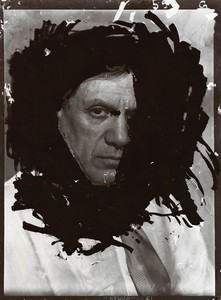
Cocurator of the exhibition A Foreigner Called Picasso, at Gagosian, New York, Annie Cohen-Solal writes about the genesis of the project, her commitment to the figure of the outsider, and Picasso’s enduring relevance to matters geopolitical and sociological.
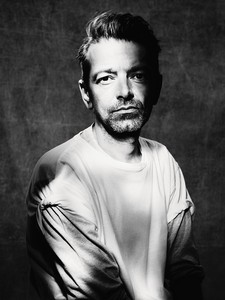
Pieter Mulier, creative director of Alaïa, presented his second collection for the legendary house in Paris in January 2022. After the presentation, Mulier spoke with Derek Blasberg about the show’s inspirations, including a series of ceramics by Pablo Picasso, and about his profound reverence for the intimacy and artistry of the atelier.
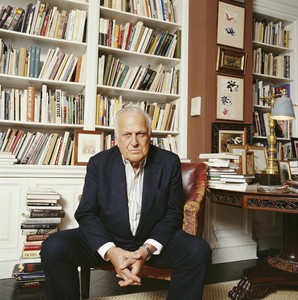
Pepe Karmel celebrates the release of A Life of Picasso IV: The Minotaur Years, 1933–1943, the final installment of Sir John Richardson’s magisterial biography.
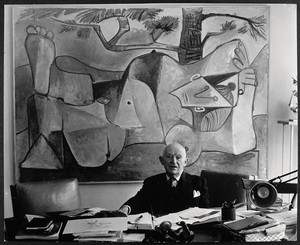
Michael Cary pays homage to the visionary dealer Daniel-Henry Kahnweiler (1884–1979).
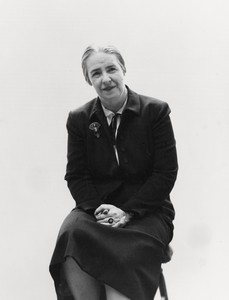
Berit Potter pays homage to the ardent museum leader who transformed San Francisco’s relationship to modern art.
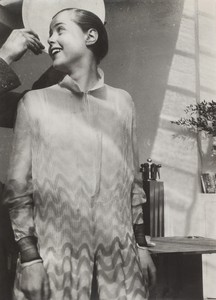
Inspired by a visit to the Fondation Louis Vuitton’s exhibition Charlotte Perriand: Inventing a New World, William Middleton explores the life of this modernist pioneer and her impact on the worlds of design, art, and architecture.
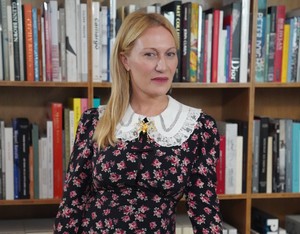
Diana Widmaier-Ruiz-Picasso curated an exhibition at Gagosian, Paris, in 2017–18 titled Picasso and Maya: Father and Daughter. To celebrate the exhibition, a publication was published in 2019; the comprehensive reference publication explores the figure of Maya Ruiz-Picasso, Pablo Picasso’s beloved eldest daughter, throughout Picasso’s work and chronicles the loving relationship between the artist and his daughter. In this video, Widmaier-Ruiz-Picasso details her ongoing interest in the subject and reflects on the process of making the book.
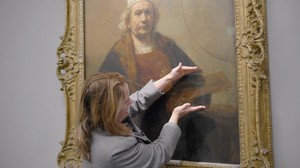
Jenny Saville reveals the process behind her new self-portrait, painted in response to Rembrandt’s masterpiece Self-Portrait with Two Circles.
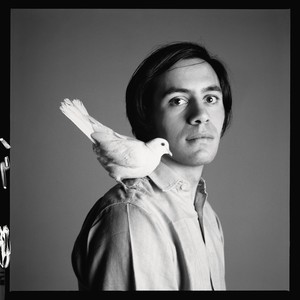
Picasso biographer Sir John Richardson sits down with Claude Picasso to discuss Claude’s photography, his enjoyment of vintage car racing, and the future of scholarship related to his father, Pablo Picasso.
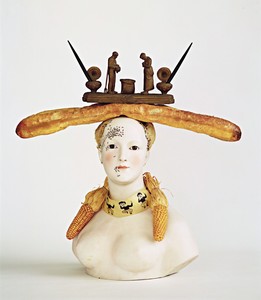
Mary Ann Caws and Charles Stuckey discuss the presence of food and the dining table in the history of modern art.
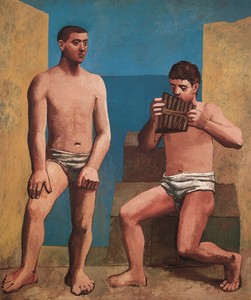
Celebrating the one hundred-year anniversary of Picasso’s first trip to Italy, the Scuderie del Quirinale in Rome is hosting the exhibition Picasso: Tra cubismo e classicismo 1915–1925, a grand presentation of two hundred works by the artist.

Diana Widmaier Picasso, curator of the exhibition Desire, reflects on the history of eroticism in art.
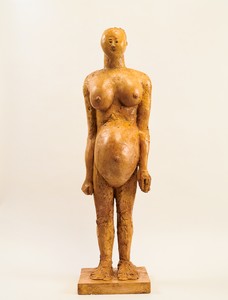
The story behind the sculpture that Diana Widmaier Picasso highlighted in Picasso’s Picassos: A Selection from the Collection of Maya Ruiz-Picasso.
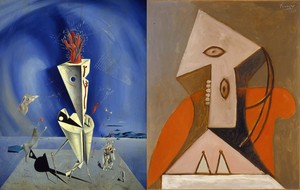
Known influencers, but did they influence each other?


